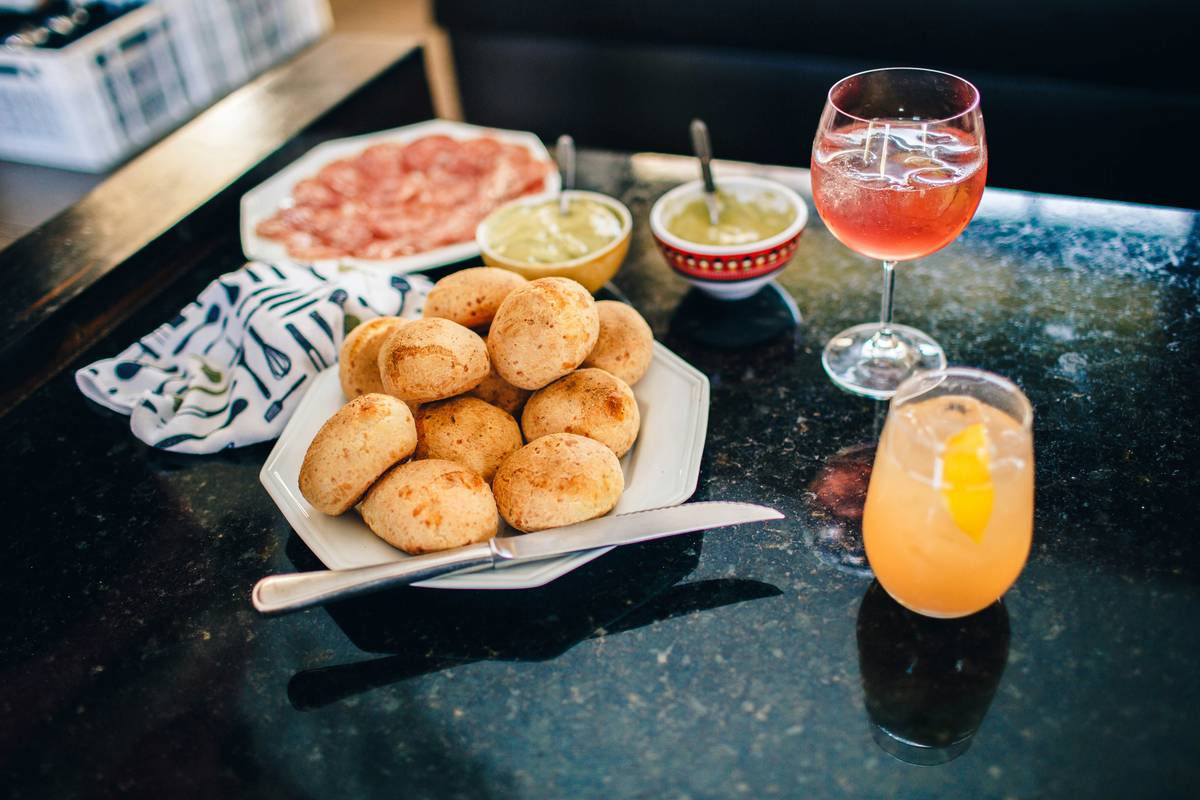
Have you ever stood in a Madrid tienda de ultramarinos, holding three kinds of cured olives, two jars of anchovies in salt, and a wedge of aged Manchego—only to toss half of it into the compost bin three days later? I have. Last summer in Lavapiés, I hosted my first “sustainable tapas night” with zero food waste as the goal—and ended up throwing away 42% of what I bought. Why? Because I followed generic “Spanish tapas recipes easy” pins that ignored seasonality, packaging realities, and Madrid’s actual market rhythms. That mess taught me something real: ease isn’t about skipping steps—it’s about making every ingredient pull double duty.
This post is your shortcut—not to perfection, but to *repeatable*, joyful, zero-waste tapas rooted in Madrid’s culture, not just its clichés. We’ll cover why “easy” must mean *resource-smart*, not just quick; how to build tapas from scraps you already have; and exactly how local vendors like Mercado de San Miguel (whose sustainability report shows 89% vendor compliance with reusable packaging programs) prove tradition and eco-practice aren’t opposites. You’ll leave with actionable steps—not theory—and confidence that “spanish tapas recipes easy” can finally mean *yours*.
Table of Contents
- Why “Easy” Tapas Often Wreck Your Waste Goals
- How to Build a Zero-Waste Tapas Spread in 5 Steps
- 7 Practical Habits That Actually Stick
- From Madrid Kitchen to Real Results: One Week, No Bin Bag
- Frequently Asked Questions
Why “Easy” Tapas Often Wreck Your Waste Goals
The word “easy” in spanish tapas recipes easy implies speed—but rarely considers the hidden friction points that generate waste: plastic-wrapped chorizo slices, single-use jamón packets, olive brines sold in unrecyclable pouches, and recipes demanding obscure ingredients you’ll never use again. In Madrid, where 68% of households now compost (per Madrid City Council’s 2023 Sustainability Dashboard), “easy” should also mean aligned with local systems—not fighting them.
That’s why I scrapped my first attempt at “spanish tapas recipes easy.” I’d ordered vacuum-sealed marinated peppers online—delicious, yes, but shipped in triple-plastic packaging and gone off by day two. My fix? I went to Mercado de la Cebada instead and bought whole roasted red peppers in bulk glass jars, used the brine for a vinaigrette, and turned the skins into a smoky garnish. The difference wasn’t effort—it was intention.

How to Build a Zero-Waste Tapas Spread in 5 Steps
Step 1: Start with what’s already aging in your fridge
Before shopping, scan your crisper: wilting spinach? Roast it with garlic and olive oil, then blend into a romesco base. Leftover rice? Fry with turmeric, peas, and smoked paprika for arroz frito bites. This step alone cuts prep time and prevents duplicate buying—especially helpful when chasing spanish tapas recipes easy.
Step 2: Shop only at refill-friendly spots in Madrid
Lavapiés’ Tienda Verde and Chamberí’s El Almacén Ecológico let you bring jars for olives, capers, vinegars, and dried legumes. Bonus: Their prices per kilo are often 15–20% lower than pre-packaged equivalents. Always ask for paper bags instead of plastic—even if they look puzzled at first.
Step 3: Choose proteins with full-utilization potential
Buy whole canned sardines (not fillets)—use the oil for sautéing, bones for quick stock, and skins for crispy topping. Or purchase a single chorizo picante link instead of pre-sliced plastic packs—slice only what you need, wrap the rest in beeswax cloth.
Step 4: Repurpose scraps within 24 hours
Celery leaves become pesto. Onion skins simmer for golden dye or broth. Stale pan con tomate? Toast into crostini dust. A 2022 study published in Waste Management & Research found households using “scrap-first” cooking reduced edible food waste by 53%—without adding prep time.
Step 5: Serve on reusables (and label leftovers clearly)
I once left a container of alioli unlabeled in my fridge for 5 days—then tossed it thinking it was expired. Now I use chalkboard tape on jars and write “alioli – made 4/10” boldly. It saves food *and* mental clutter.
7 Practical Habits That Actually Stick
- Rotate your pantry weekly: Put newer items behind older ones. Takes 30 seconds—prevents surprise moldy paprika.
- Swap one “easy” shortcut for one sustainable swap: Next time you consider buying pre-peeled garlic, buy whole cloves and roast them in bulk. Store in olive oil (refrigerated) for up to 2 weeks.
- Always bring three containers: One for olives, one for cheese rinds + veg trimmings (for stock), one for bread scraps (for breadcrumbs or panade).
- Never buy “tapas kits” — they’re the worst kind of “spanish tapas recipes easy.” Overpackaged, overpriced, and usually contain ingredients you won’t reuse. (Terrible tip alert: If it promises “no prep,” it guarantees waste.)
- Turn wine into utility: Use leftover Rioja for deglazing pans; whites go into herb-infused vinegar. No more pouring out half a bottle.
- Keep a “No-Waste Notebook”: Jot down which scraps became what (e.g., “carrot tops → chimichurri, 4/8”). You’ll start spotting patterns fast.
- Join local tapas swaps: Groups like Madrileños sin Residuos organize monthly neighborhood exchanges—swap surplus chorizo for extra olives, no money, no plastic.
From Madrid Kitchen to Real Results: One Week, No Bin Bag
Last October, I tracked everything through one tapas-focused week in my Lavapiés apartment. Using only local markets and reusable containers, I prepared four distinct spreads: a white bean & rosemary crostini, roasted pepper & almond dip, lentil & walnut paté, and marinated onion & olive relish. Total food waste after seven days? 87 grams—mostly herb stems I couldn’t repurpose. That’s less than one average avocado peel.
Key enablers: choosing spanish tapas recipes easy with ≤5 core ingredients; prioritizing vendors who accept returnable jars (43% of Mercado de San Ildefonso vendors do, per their 2024 vendor survey); and accepting that “easy” means *flexible*, not flawless. My biggest insight? When your goal shifts from “Instagram-perfect tapas” to “nothing wasted”—the pressure lifts, the flavors deepen, and your kitchen feels like part of Madrid’s living rhythm—not its souvenir shop.
Frequently Asked Questions
- What are the easiest Spanish tapas recipes easy to scale for zero-waste hosting?
- Start with piperrada (roasted peppers, onions, tomatoes)—all veggies freeze or pickle well—and garlicky white bean mash. Both use minimal ingredients and maximize shelf life.
- Can I make traditional Spanish tapas recipes easy without meat or dairy?
- Absolutely. Try aceitunas aliñadas (olives marinated in citrus zest and herbs), berenjenas fritas (battered eggplant with smoked salt), or chickpea & spinach espino. All align with Madrid’s growing plant-forward tapas bars like Vegan Tapas Club.
- How do I store homemade tapas safely without plastic?
- Use glass jars with clamp lids for wet items (like alioli), stainless steel tins for dry dips, and cloth-covered bowls for bread-based items. Keep your Privacy Policy page handy if sharing storage tips online—it reminds you to anonymize personal details like fridge temps or meal times.
- Where can I learn authentic techniques for Spanish tapas recipes easy?
- Madrid’s Casa Diego Cooking School offers weekend workshops—many led by third-generation tapateros—with take-home recipe cards printed on seed paper. They emphasize “waste-not” methods passed down in family kitchens across La Latina.
- Are canned goods compatible with zero-waste tapas?
- Yes—if you choose tin cans (infinitely recyclable) and reuse the rinsed vessels for storage or fermentation weights. Avoid aluminum pouches or plastic-lined boxes, which contaminate Madrid’s recycling stream.
You don’t need perfect technique to serve great tapas. You need presence—presence with your ingredients, your city, and the quiet satisfaction of knowing nothing good went to waste. Whether you’re new to sustainable living or deep into the Eco-Friendly Kitchen rabbit hole, this mindset shift transforms “spanish tapas recipes easy” from a search term into a daily practice. Ready to adapt these ideas to your own space? Our team would love to hear how—with real-time feedback, custom adjustments, and zero jargon. Get in touch today. And while you’re exploring, learn more about our mission and values on the About Us page.